
| Chromium | A trace mineral involved in normal carbohydrate and energy metabolism — stimulant-free. |
| Green tea extract | A plant extract containing caffeine and antioxidant catechins — a mild stimulant. |
| Key difference | Mineral cofactor vs caffeine-containing botanical. |
| How to choose | Sensitive to caffeine or want daily calm? Chromium. Tolerate caffeine and want a lift? Green tea extract. |
Two of the most common names on weight-management labels are chromium and green tea extract, and shoppers often assume they do roughly the same job. They don't. When you compare chromium vs green tea extract for weight management, you're really comparing a stimulant-free trace mineral with a caffeine-containing plant extract — two very different tools. This guide explains what each one is, how they differ, and a simple way to decide which belongs in your daily supplement.
Chromium is an essential trace mineral — your body needs only tiny amounts, measured in micrograms. It's involved in normal carbohydrate and energy metabolism, which is exactly why it turns up so often in metabolism-focused formulas. Because it's a mineral, chromium contains no caffeine and no stimulant of any kind, so it doesn't produce a jittery lift or an afternoon crash. In the chromium vs green tea extract comparison, this is the calm, foundational option: a cofactor that quietly supports the everyday metabolic machinery rather than revving it. Its role as an essential nutrient, the amounts adults typically get from food, and the limits of the weight-loss evidence are all set out by the NIH Office of Dietary Supplements — Chromium Fact Sheet for Health Professionals.
Everyday chromium supplements typically supply amounts ranging from the tens up to a few hundred micrograms per serving. It's a well-established, familiar ingredient — the kind you'll recognise from many general wellness products, not just fat burners. On weight specifically, the honest summary is modest: a Cochrane review of chromium picolinate in overweight and obese adults found only a small average difference in body weight and rated the underlying evidence as low quality (Tian et al., Cochrane Database Syst Rev, 2013).
Green tea extract is a concentrated botanical made from the leaves of Camellia sinensis. It brings two things to a formula: antioxidant compounds called catechins (the best known is EGCG), and caffeine. That caffeine content is the crucial detail. It gives green tea extract a mild stimulant character — a small, temporary lift in alertness and energy expenditure — which is why it's a staple of caffeine-based “fat burners.”
The upside is that noticeable energising quality plus an antioxidant profile. The downside is the same one that applies to any caffeine source: sensitivity varies, it can disrupt sleep if taken late, and it stacks with the coffee and tea you already drink. If you want the full picture on caffeine-based versus non-caffeine formulas, see our guide to stimulant-free vs stimulant fat burners. The measured effect on body weight is also modest: pooling randomised trials, green tea catechins with or without caffeine produced small average changes in weight and waist circumference (Phung et al., Am J Clin Nutr, 2010), and NCCIH notes that concentrated green tea extracts have been linked to rare liver injury (NCCIH — Green Tea: Usefulness and Safety).
| Feature | Chromium | Green tea extract |
|---|---|---|
| Type | Trace mineral | Plant (botanical) extract |
| Contains caffeine? | No | Yes |
| Stimulant character | None | Mild |
| Typical role | Cofactor in normal metabolism | Energising, antioxidant catechins |
| Sleep-friendly? | Yes, any time of day | Best avoided late in the day |
| Everyday daily use | Well suited | Watch total caffeine intake |
Read down the table and the pattern is clear: these aren't competitors doing the same job, they're different categories of ingredient. One is a mineral you can take without thinking about the clock; the other is a caffeine-containing botanical you have to time and dose with care.

Use these prompts to decide between chromium vs green tea extract for your own routine:
There's also a middle path: some well-designed formulas pair chromium with non-caffeine botanicals to get everyday support without the stimulant. That's the approach Thermo Burn Pro takes — and if you're comparing whole products rather than single ingredients, our buyer's guide to choosing a metabolism supplement gives you the full checklist. If the stimulant question is the one you are really weighing, our comparison of stimulant-free versus stimulant fat burners takes it further.
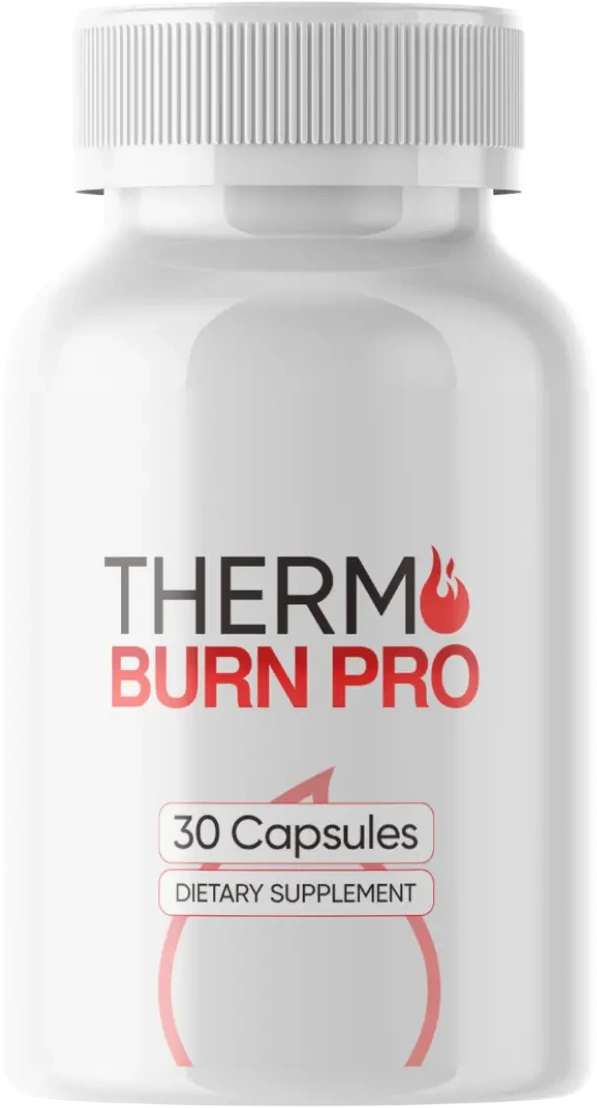
Thermo Burn Pro is built on chromium (67 mcg) and essential minerals plus traditional botanicals like cinnamon, banaba and warming cayenne — no caffeine, no green tea extract, no crash. It's a stimulant-free way to bring chromium into a daily routine, backed by a 60-day money-back guarantee.
See Thermo Burn Pro Packages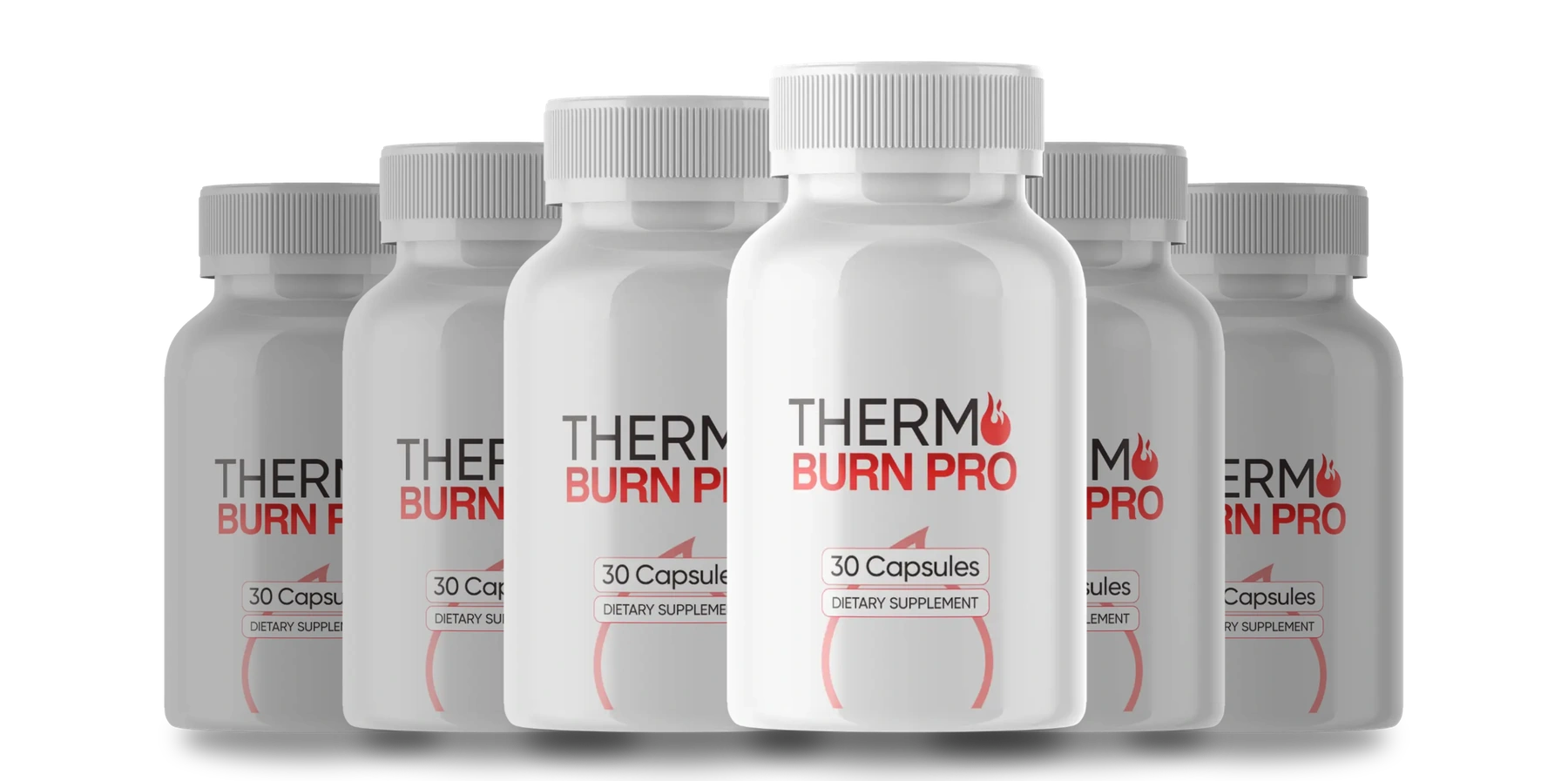
Whichever ingredient you lean toward, keep the frame realistic. Neither chromium nor green tea extract melts fat, and no single ingredient will substitute for the fundamentals of weight management. These are supporting players that work best on top of consistent habits — the sleep, protein, movement and hydration covered in our guide to boosting your metabolism naturally. Choose the ingredient that fits your body and routine, then let the daily basics do the heavy lifting.
A few persistent myths cloud the chromium vs green tea extract debate. Myth one: “more chromium means more weight loss.” Chromium is a trace mineral needed only in micrograms; megadosing it doesn't scale up results and isn't advisable. Myth two: “green tea extract is stimulant-free because it's natural.” Natural or not, it contains caffeine, and that caffeine is exactly what gives it a mild stimulant effect. Myth three: “one of them alone will do the job.” Neither ingredient is a standalone solution; both are supporting players that only matter alongside a sensible diet, regular movement and decent sleep.
It helps to zoom out. Chromium and green tea extract are just two names on a long menu of metabolism-support ingredients that also includes minerals like magnesium and zinc, B-vitamins such as biotin, and traditional botanicals like cinnamon, banaba and cayenne. A thoughtful formula doesn't crown a single hero ingredient; it assembles a sensible team. When you compare products, look at the whole roster and how the pieces complement each other — not just whether one buzzword ingredient is present. Our complete ingredient explainer walks through what a balanced, transparent roster looks like line by line.
Chromium is a trace mineral involved in normal carbohydrate and energy metabolism and contains no stimulants. Green tea extract is a plant extract that contains caffeine and antioxidant catechins, so it carries a mild stimulant character. One is a mineral cofactor, the other is a caffeine-containing botanical.
Neither is a magic ingredient and neither replaces diet, activity and sleep. Chromium suits people who want a stimulant-free mineral cofactor for everyday metabolism, while green tea extract appeals to those who tolerate caffeine and want its energising, antioxidant profile. The right pick depends on your caffeine sensitivity and goals.
Many formulas combine minerals and botanicals, but stacking caffeine sources is where people get into trouble. If you already drink coffee or take a caffeinated product, adding green tea extract increases your total caffeine. Check labels, avoid doubling up on stimulants, and speak with a healthcare professional if unsure.
Thermo Burn Pro is built on chromium and other essential minerals plus traditional botanicals such as cinnamon, banaba and cayenne. It is stimulant-free and does not rely on caffeine, making it a chromium-based, non-stimulant approach rather than a green tea extract fat burner.
Everyday chromium supplements commonly supply amounts in the tens to a few hundred micrograms per serving. Thermo Burn Pro provides 67 mcg per capsule. Always follow the label and do not exceed the recommended dose.
In the chromium vs green tea extract question, you're not picking a better ingredient — you're picking a category. Chromium is a stimulant-free mineral cofactor you can take any time; green tea extract is a caffeine-containing botanical with an energising, antioxidant profile that needs careful timing. Match the choice to your caffeine sensitivity and routine. If a calm, stimulant-free, chromium-based approach appeals, Thermo Burn Pro is one example of that path in a single daily capsule.
This ingredient comparison was written and reviewed by the Thermo Burn Pro Research Team, an independent group researching weight-management products and dietary supplements. We describe ingredients in terms of their general and traditional use, drawing on public reference sources, and write for education rather than as medical advice. We are not a medical provider; consult your own clinician about your needs.
† These statements have not been evaluated by the Food and Drug Administration. This product is not intended to diagnose, treat, cure or prevent any disease. This article is for general information only and is not medical advice; consult a qualified professional before making changes to your diet, activity or supplement routine.