
| The one rule | Buy from the Supplement Facts panel, not the marketing headline — you should be able to see every active and its dose. |
| Ingredients that earn their place | Researched minerals like chromium plus traditional metabolic botanicals — not a mystery “proprietary” blend. |
| Quality signals | Made in a GMP facility, clear directions, honest language, easy to contact, real guarantee. |
| Biggest red flags | Disease claims, hidden doses, forced subscriptions and “melt fat overnight” promises. |
Learning how to choose a metabolism supplement is really an exercise in reading past the marketing. The category is crowded, the claims are loud, and two bottles that look almost identical on a shelf can be worlds apart once you turn them around and read the label. This buyer's guide walks through exactly what to check — ingredients, doses, certifications, value and red flags — so you can compare any product on its merits and pick one you'll actually take every day.
Before you compare products, it helps to set realistic expectations. A dietary supplement is designed to support the body's normal processes as part of a healthy lifestyle — it is not a drug, and it cannot replace sleep, movement or a sensible diet. When you're deciding how to choose a metabolism supplement, treat it as one supporting habit that sits on top of the fundamentals, not a shortcut around them. Any product that implies otherwise has already told you something important about how much to trust the rest of its claims.
With that framing in place, the goal becomes simple: find a well-made, transparent formula built on ingredients with a sensible rationale, at a price and format you can sustain. Everything below is about doing exactly that.
The single most useful habit when choosing any supplement is to flip to the Supplement Facts panel before you read a word of the sales copy. This panel is standardised, so it lets you compare products directly. Look for two things: a full list of active ingredients, and an actual amount next to each one. A company that prints its doses is inviting you to compare it honestly; a company that buries everything inside a single “proprietary blend” with only a combined weight is, intentionally or not, making that comparison impossible.
You don't need to memorise ideal doses for every nutrient. You just need to see that the amounts are disclosed, that the essential minerals include recognisable cofactors, and that the botanicals are named individually rather than lumped together anonymously.
A good metabolism formula usually pairs two families of ingredients. The first is researched minerals and vitamins — nutrients such as chromium, magnesium, zinc and the B-vitamin biotin that are genuinely involved in normal carbohydrate and energy metabolism. The second is traditional metabolic botanicals — ingredients like cinnamon, banaba, bitter melon, gymnema and cayenne that have a long history of use in wellness routines. Neither family is magic, but each has a plausible reason to be there. Judge each family on what the evidence actually supports. For minerals, the NIH Office of Dietary Supplements — Chromium Fact Sheet for Health Professionals sets out chromium’s established role and the limits of the weight-loss data; for botanicals, NCCIH’s independent summaries — its NCCIH — Cinnamon: Usefulness and Safety page, for instance — are a better starting point than any seller’s claims.
Be wary of formulas built entirely around a single trendy “miracle” extract, and equally wary of a kitchen-sink label that lists forty ingredients at trace amounts just to look impressive. The sweet spot is a focused blend where every active has a clear job. If you want to see this thinking applied in practice, our breakdown of every Thermo Burn Pro ingredient and why it's there shows what a transparent, rationale-first label looks like.

One of the biggest forks in the road is whether a formula relies on stimulants. Caffeine-heavy “fat burners” can feel dramatic, but that intensity comes with trade-offs: jitters, an afternoon crash, and disrupted sleep if you take them too late. Stimulant-free formulas built on minerals and botanicals tend to be gentler and easier to take every day for months on end. There's no universally right answer — it depends on your caffeine tolerance and daily rhythm — but it's a decision worth making deliberately. We compare the two approaches in detail in our guide to stimulant-free vs stimulant fat burners. The trade-off is documented in both directions: pooled trials show caffeine and catechins do produce a small measurable lift in energy expenditure (Hursel et al., Obes Rev, 2011), while the honest overall picture across supplement categories is of small, inconsistent effects on weight (Batsis et al., Obesity, 2021). Our comparison of fat burner vs appetite suppressant vs metabolism booster unpacks what the category words mean.
Where and how a supplement is made matters. The strongest quality signals to look for are:
Note the careful wording that reputable brands use: a phrase like “FDA-registered facility” refers to the facility, not to FDA approval of the product itself, because dietary supplements are not approved by the FDA the way drugs are. A company that gets that wording right is one that reads the rules carefully.
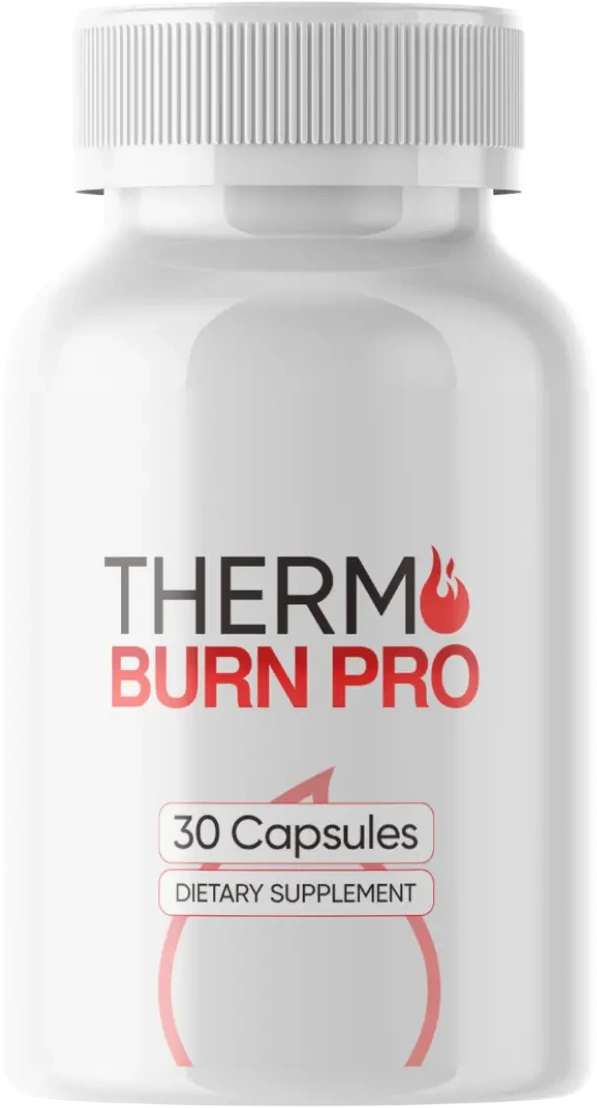
Thermo Burn Pro packs 20 plant and nutrient actives — chromium and essential minerals plus cinnamon, banaba, bitter melon, gymnema and warming cayenne — into one daily vegetarian capsule, with every amount printed on the label and a 60-day money-back guarantee. It's a useful benchmark to hold other products up against.
See Thermo Burn Pro Packages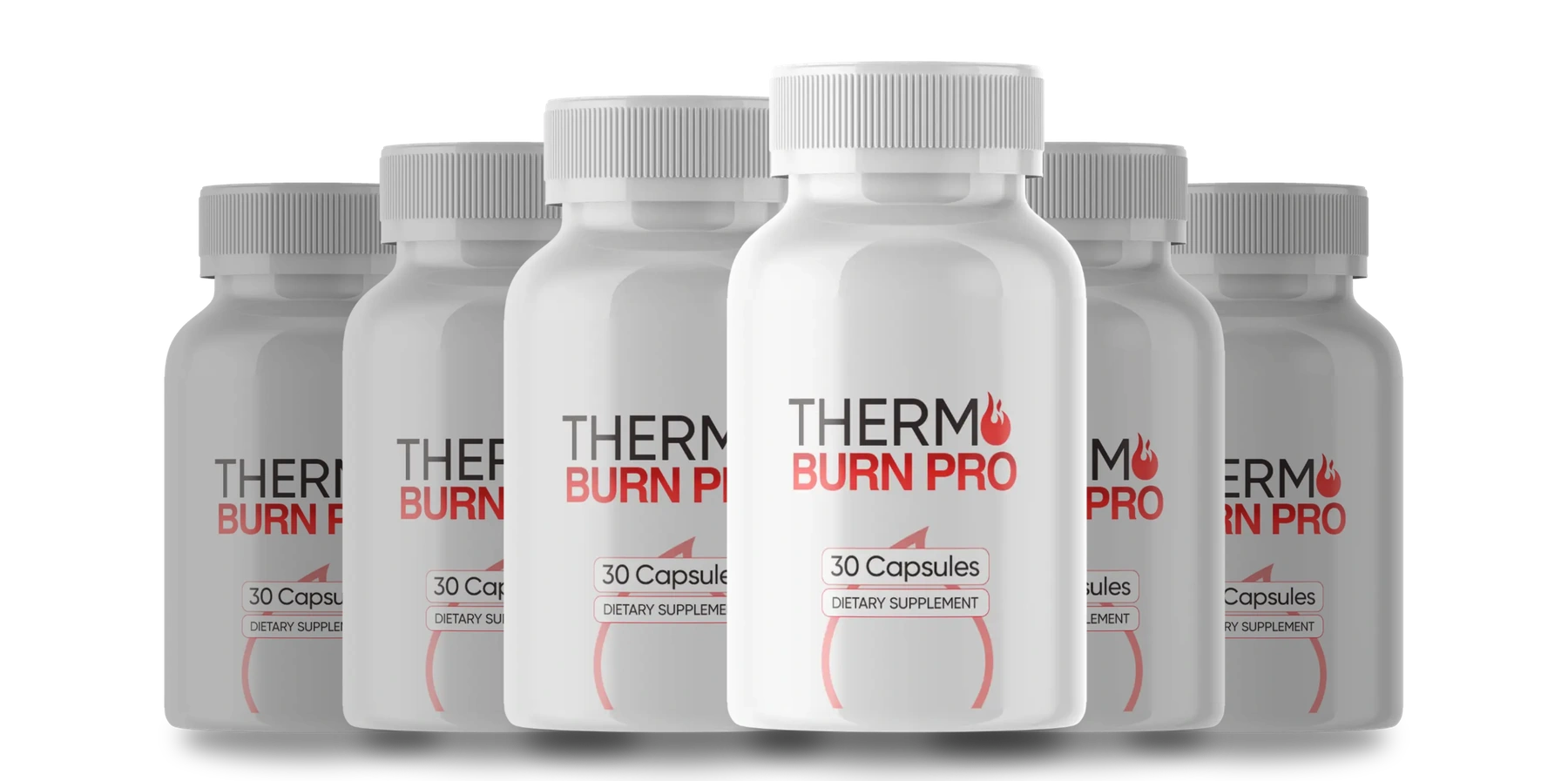
The best supplement is the one you'll actually take. Capsules are simple and portable; powders are flexible but need mixing; gummies taste good but often carry added sugar and lower doses. When you think about how to choose a metabolism supplement for the long haul, be honest about your habits — a once-daily capsule you can take with your morning water is far easier to keep up than a scoop you have to blend. We break down the trade-offs fully in capsule vs powder vs gummy weight-loss supplements.
Price-per-bottle is misleading on its own. What matters is cost per day and whether you'll finish the bottle. A multi-bottle supply usually lowers the per-bottle cost and, more importantly, keeps you from running out mid-routine — the moment most people quietly abandon a habit. Pair that with a genuine money-back guarantee and the maths of trying a larger supply becomes much friendlier. Just make sure any “discount” is a one-time purchase and not a forced auto-ship subscription in disguise.
Some signals should stop you buying no matter how good the rest of the label looks: There is a documented reason to take the unfamiliar-seller red flag seriously: an analysis of FDA warning letters found unapproved pharmaceutical drugs hidden inside supplements marketed for weight loss (Tucker et al., JAMA Netw Open, 2018). Once you have picked a product, the practical next question is what time of day to take it.
None of these tells you the ingredients are bad — but each tells you something about the company selling them, and that's just as important. For the foundation that any supplement should sit on top of, revisit our guide to boosting your metabolism naturally, then use the checklist above to choose a product that supports those habits rather than replacing them.
Choosing well isn't complicated once you know where to look. Turn the bottle around, read the doses, judge the ingredients on rationale, decide on stimulants deliberately, confirm the quality signals, pick a format you'll stick with, compare true daily cost, and walk away from anything waving a red flag. Do that and you'll spend your money on a supplement that earns its place in your routine — and skip the ones that were only ever built to sell.
Start with the Supplement Facts panel. A trustworthy product lists each active ingredient and its amount rather than hiding everything inside a single proprietary blend. Being able to see the doses is the first sign that a company expects you to compare it honestly with anything else on the shelf.
Neither is universally better. Stimulant-based formulas can feel more noticeable but may cause jitters or interfere with sleep, while stimulant-free formulas built on minerals and botanicals tend to be gentler for daily, long-term use. The right choice depends on your caffeine sensitivity and your routine.
Look for manufacturing in a facility that follows GMP standards, clear dosing instructions, a full ingredient list and a company that is easy to contact. Avoid products that promise dramatic, effortless results. Always speak with a healthcare professional before starting if you are pregnant, nursing, under 18 or taking medication.
You do not have to, but metabolism support works best as a consistent daily habit, so a multi-bottle supply helps you avoid running out mid-routine and usually lowers the per-bottle cost. A generous money-back guarantee makes trying a larger supply lower-risk.
Watch for disease claims, before-and-after guarantees, hidden proprietary blends with no amounts, forced auto-ship subscriptions and no clear refund policy. A good supplement describes ingredients in terms of general or traditional use and never promises to cure or treat anything.
Knowing how to choose a metabolism supplement comes down to reading the label like a skeptic and the company like a detective. Prioritise transparency, sensible ingredients and a format you'll keep up, and let the guarantee do the risk-management. A daily capsule such as Thermo Burn Pro is one transparent, stimulant-free example of the checklist in action — but whatever you choose, choose it on the evidence in front of you.
This buyer's guide was written and reviewed by the Thermo Burn Pro Research Team, an independent group focused on weight-management and dietary-supplement research. We read labels, cross-check ingredient rationale against public sources, and write in plain language so you can make your own decision. We are not a medical provider, and this article is educational, not personalised advice.
† These statements have not been evaluated by the Food and Drug Administration. This product is not intended to diagnose, treat, cure or prevent any disease. This article is for general information only and is not medical advice; consult a qualified professional before making changes to your diet, activity or supplement routine.