
| Capsule | Precise dose, no added sugar, portable, one simple step — easiest to keep up daily. |
| Powder | Flexible and good for high-volume ingredients — but needs mixing and measuring. |
| Gummy | Tastes great — but usually adds sugar and fits fewer or lower-dose actives. |
| Best overall | The format you'll actually take every day. For a multi-ingredient formula, that's usually a capsule. |
Choosing a weight-loss supplement isn't only about ingredients — it's also about the format those ingredients come in. The capsule vs powder vs gummy decision quietly determines how much sugar you swallow, how accurate your dose is, how much it costs, and, most importantly, whether you'll still be taking it in three months. This buying guide breaks down each format honestly so you can match it to your real habits, not your best intentions.
Here's the uncomfortable truth about supplements: the most sophisticated formula in the world does nothing sitting in a cupboard. Consistency is the ingredient that ties every other benefit together, and format has a huge influence on consistency. A product that's fiddly, unpleasant or easy to forget gets abandoned; a product that fits neatly into an existing routine gets taken. So before you compare capsule vs powder vs gummy on paper, picture your actual mornings — that's where the decision is really made. That is not a slogan — when researchers pool the trials behind supplements sold for weight loss, the effects that survive are small enough that anything eroding day-to-day adherence erodes most of the benefit with it (Batsis et al., Obesity, 2021).
Capsules are the workhorse format for multi-ingredient formulas, and for good reasons. Delivery form is not cosmetic either: head-to-head work on garlic products found that how a supplement is made and taken changes how much of the active compound the body actually receives, sometimes by several-fold (Lawson & Hunsaker, Nutrients, 2018).
For a formula that combines minerals and botanicals — the kind detailed in our ingredient explainer — a capsule carries the full blend in one tidy serving without a spoonful of sugar. That's why it's the default for metabolism support.
Powders shine when a formula needs large amounts of an ingredient that simply won't fit in a capsule, or when you enjoy the ritual of mixing a drink.
Powders aren't worse — they're just higher-effort, and effort is the enemy of consistency. If you already blend a morning smoothie, a powder can ride along easily. If you don't, the shaker tends to end up unused.

Gummies have exploded in popularity because they solve the “I hate pills” problem and feel like a treat. But that appeal comes with real trade-offs worth knowing before you buy.
For a weight-loss supplement specifically, the added-sugar issue is the sticking point — a daily dose of sugar works against the very goal you're pursuing. Gummies can be a fine delivery method for a single simple nutrient, but they're a poor fit for a multi-ingredient metabolism blend.
| Factor | Capsule | Powder | Gummy |
|---|---|---|---|
| Dose precision | High | Medium | Lower |
| Added sugar | None | Sometimes | Usually |
| Convenience | High | Lower | High |
| Portability | High | Lower | Medium |
| Multi-ingredient blends | Excellent | Good | Limited |
| Daily consistency | Easy | Effort | Easy (watch sugar) |
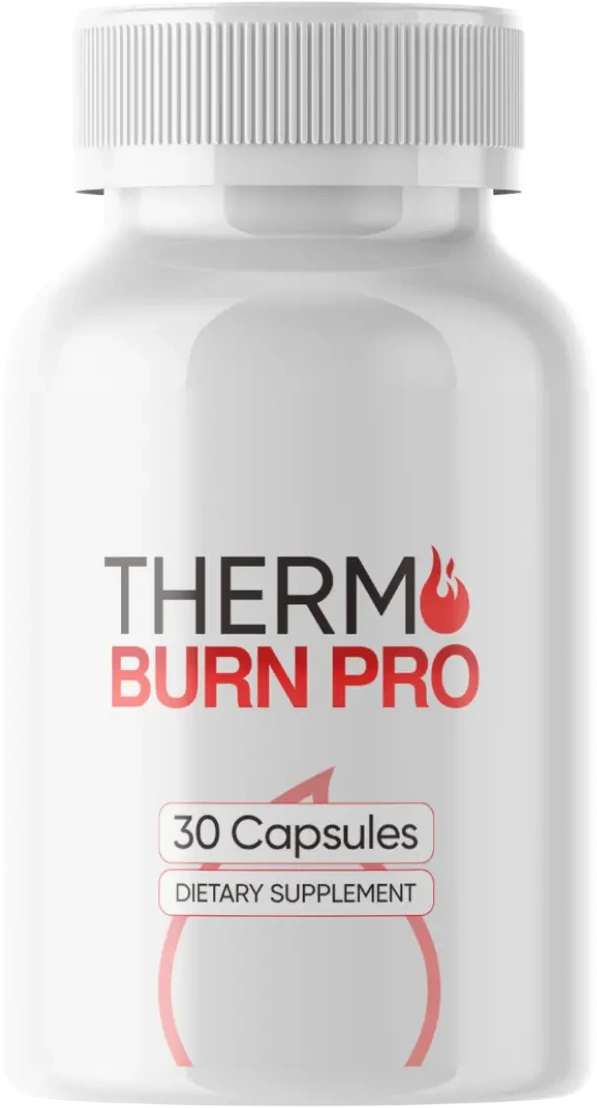
Thermo Burn Pro packs 20 plant and nutrient actives into one vegetarian capsule — no powder to mix, no sugar to swallow. Take one with water 20 to 30 minutes before a meal and the whole routine is done. Backed by a 60-day money-back guarantee.
See Thermo Burn Pro Packages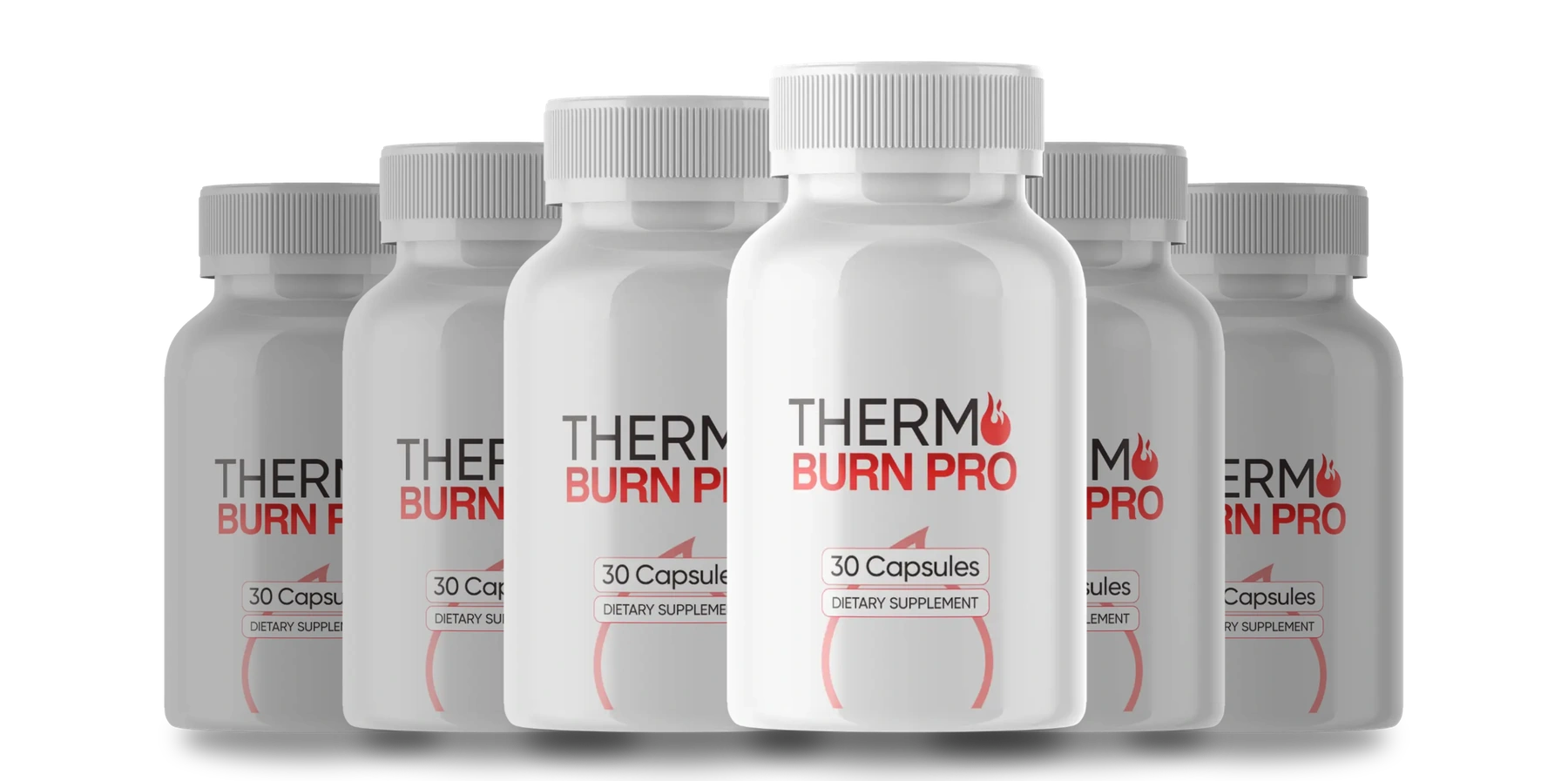
Match the format to your habits, not the marketing:
Format is only half the decision, of course — the ingredients and the company matter just as much. Once you've settled on a format, run the product through the full checklist in our metabolism supplement buyer's guide, and remember that any supplement works best on top of the daily habits covered in boosting your metabolism naturally.
Capsule, powder and gummy are the big three, but you'll also meet a few other formats on the shelf. Liquids and drops can be easy to swallow and quick to take, though they often need refrigeration once opened and can taste strongly of their ingredients. Tablets are compact and inexpensive to produce, but they sometimes rely on more binders and can be harder for some people to break down. Softgels suit oil-based ingredients well but aren't always vegetarian. None of these changes the core lesson of the capsule vs powder vs gummy comparison: the format that removes friction from your day is the one that keeps you consistent, and consistency is what actually matters. Whatever the format, the same buying advice applies: prefer products that disclose every amount on the panel, and treat unfamiliar sellers with caution, because a review of FDA warnings found unapproved pharmaceutical ingredients hidden in supplements sold for weight loss and sports performance (Tucker et al., JAMA Netw Open, 2018). Format is only one axis; the mineral-versus-botanical question in our chromium vs green tea extract comparison is the other.
Price tags can mislead across formats. What matters is cost per day and whether you finish the container. A tub of powder may look cheap until you notice how many scoops a serving takes; gummies can cost more per active because so much of each piece is sugar and gelatin rather than the ingredient you're paying for. Capsules tend to offer a predictable cost per day, and buying a multi-bottle supply usually lowers it further while keeping you from running out mid-routine — the exact moment most habits quietly die. When you tally the real numbers, the “cheaper” format often isn't.
There is no single best format — the best one is the one you will take consistently. Capsules are simple, portable and easy to dose; powders are flexible but need mixing; gummies taste great but often carry added sugar and fewer actives. For a set daily formula, most people find a once-daily capsule easiest to stick with.
Gummies can deliver nutrients, but the format has limits. To taste good they usually contain added sugar and can fit fewer or lower-dose actives per serving than a capsule. If a formula relies on several minerals and botanicals, a capsule generally carries the full blend more easily than a gummy.
Capsules can hold a precise, consistent dose of multiple ingredients without added sugar or flavouring, they are shelf-stable and portable, and a single capsule keeps the daily routine simple. That combination of accuracy and convenience is why capsules are the default for multi-ingredient metabolism formulas.
Faster absorption is often overstated for everyday metabolism support, where consistency matters more than speed. Powders suit high-volume ingredients and people who like mixing a drink, but they require measuring and a shaker, which many people abandon. A capsule removes that friction.
Thermo Burn Pro is a once-daily vegetarian capsule containing 20 plant and nutrient actives with no added sugar. You take one capsule with an 8 oz glass of water, ideally 20 to 30 minutes before a meal, which keeps the whole routine to a single simple step.
In the capsule vs powder vs gummy decision, the winner is whichever format you'll take without fail. Capsules lead for multi-ingredient weight-management formulas thanks to precise dosing, zero added sugar and one-step convenience; powders suit high-volume ingredients and dedicated mixers; gummies solve the pill problem but bring sugar and dose limits. Be honest about your routine, then choose the format that removes friction. A once-daily capsule like Thermo Burn Pro is built around exactly that idea.
This format buying guide was written and reviewed by the Thermo Burn Pro Research Team, an independent group focused on weight-management and dietary-supplement research. We compare delivery formats on practical grounds — dosing, sugar, cost and consistency — in plain language. We are not a medical provider, and this article is educational rather than personalised advice.
† These statements have not been evaluated by the Food and Drug Administration. This product is not intended to diagnose, treat, cure or prevent any disease. This article is for general information only and is not medical advice; consult a qualified professional before making changes to your diet, activity or supplement routine.