
| Fat burner | Marketed around thermogenic or energising ingredients — often, but not always, caffeine-based. |
| Appetite suppressant | Marketed around feeling satisfied and curbing cravings — often fibre or botanicals like gymnema. |
| Metabolism booster | Marketed around supporting normal metabolism with minerals, vitamins and botanicals. |
| The real lesson | These are marketing categories that overlap heavily. Read the ingredients and doses, not the label buzzword. |
Walk down any supplement aisle or scroll any store and you'll meet the same three phrases over and over: fat burner, appetite suppressant and metabolism booster. They sound like three distinct products doing three different jobs. In reality they're marketing categories that overlap far more than they differ — and understanding what each term actually means is the fastest way to shop past the hype. This guide breaks down the fat burner vs appetite suppressant vs metabolism booster question so you can judge products by what's inside, not by the label on the front.
None of these three terms is a regulated, precisely defined category. They're descriptions marketers use to signal an angle — a promise about how a product is supposed to help. That's why the same ingredient can show up under all three banners, and why two products with completely different labels can contain nearly identical formulas. So the honest starting point is this: the category name tells you how a product is being sold, not what it will do. Keep that in mind and the comparisons below become much more useful.
“Fat burner” is the most aggressive-sounding of the three, and it's typically built around thermogenic or energising ingredients — things marketed as raising energy expenditure or body heat. In practice, a large share of products in this category are caffeine-based, which is where their noticeable “kick” comes from. That kick is often mistaken for the product working, when it's really just the stimulant. Importantly, though, “fat burner” does not automatically mean caffeine — stimulant-free fat burners exist too. If the stimulant question is your main concern, our dedicated comparison of stimulant-free vs stimulant fat burners covers the trade-offs in depth. The thermogenic claim behind the label is real but small: pooled trials of catechin-rich teas and caffeine show a measurable rise in 24-hour energy expenditure and fat oxidation, on the order of a modest daily calorie shift rather than anything dramatic (Hursel et al., Obes Rev, 2011).
Products marketed as appetite suppressants focus on the intake side of the equation: helping you feel satisfied, take the edge off cravings, or feel fuller for longer. The ingredients here are varied — soluble fibres that expand and add a sense of fullness, or traditional botanicals such as gymnema, which has a long history of use around balancing the appetite for sweet foods. This category speaks to the behavioural reality of eating: for many people, cravings and portion control matter as much as anything metabolic. It's less about “burning” and more about making a sensible way of eating feel easier to stick to. Some of that is testable: in a randomised trial, chromium picolinate reduced reported food intake and hunger in overweight women, although the effect on body weight itself was not significant (Anton et al., Diabetes Technol Ther, 2008).
“Metabolism booster” is the steadiest, most foundational-sounding of the three. These products are marketed around supporting the body's normal metabolic processes using minerals, vitamins and botanicals that act as everyday cofactors — chromium, magnesium, zinc and B-vitamins like biotin are common examples. The pitch isn't a same-day jolt; it's gradual, cumulative support taken consistently over time. Because it leans on nutrients rather than stimulants, this category is where you're most likely to find calm, caffeine-free daily formulas. For a closer look at how these ingredients are described, see our chromium vs green tea extract comparison.
| Feature | Fat burner | Appetite suppressant | Metabolism booster |
|---|---|---|---|
| Marketing angle | Thermogenic / energising | Feeling satisfied, fewer cravings | Supporting normal metabolism |
| Typical ingredients | Caffeine, thermogenic botanicals | Fibre, gymnema, other botanicals | Minerals, vitamins, botanicals |
| Often stimulant-based? | Frequently | Not usually | Rarely (often caffeine-free) |
| What you might feel | A same-day “kick” | Easier appetite control | Steady, gradual support |
| Best for | Those who tolerate stimulants | Those focused on cravings | Those wanting daily, calm support |
Read across the table and the overlap jumps out. A single well-designed product can borrow from more than one column — and many do.
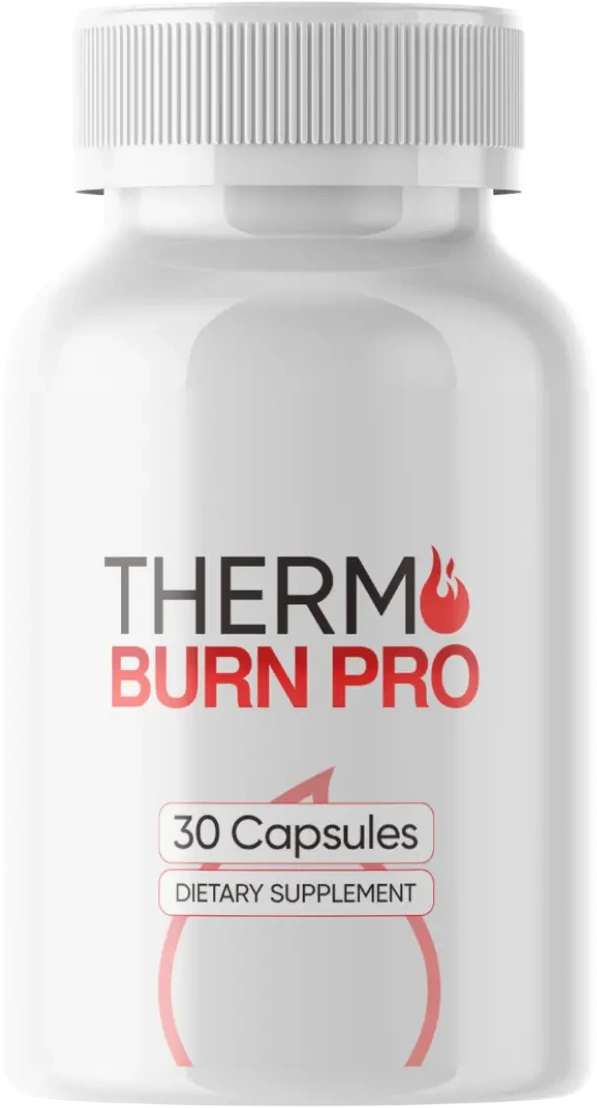
Here's the part the marketing rarely admits: these categories are not mutually exclusive. A warming spice like cayenne gives a formula a thermogenic, “fat burner” flavour; a botanical like gymnema brings an appetite-support angle; and a base of chromium and minerals makes it a metabolism-support product. Put all three in one capsule and you have something that touches every category at once — without being a magic solution to any of them. That's exactly the case with Thermo Burn Pro: it's fundamentally a stimulant-free, metabolism-support formula, but because it includes gymnema and cayenne alongside its mineral base, it quietly spans the map. You can see the full roster in our ingredients explainer.
Instead of picking a category, pick based on how you actually respond and what you're trying to support:
Whatever you choose, the deciding factors are the same ones in our full metabolism supplement buyer's guide: disclosed doses, quality manufacturing, sensible value and no wild claims.
Thermo Burn Pro is built around chromium and essential minerals for everyday metabolic support, with gymnema for appetite balance and warming cayenne for thermogenic character — all caffeine-free, all disclosed on the label, backed by a 60-day money-back guarantee. Explore the packages on the official store.
See Thermo Burn Pro Packages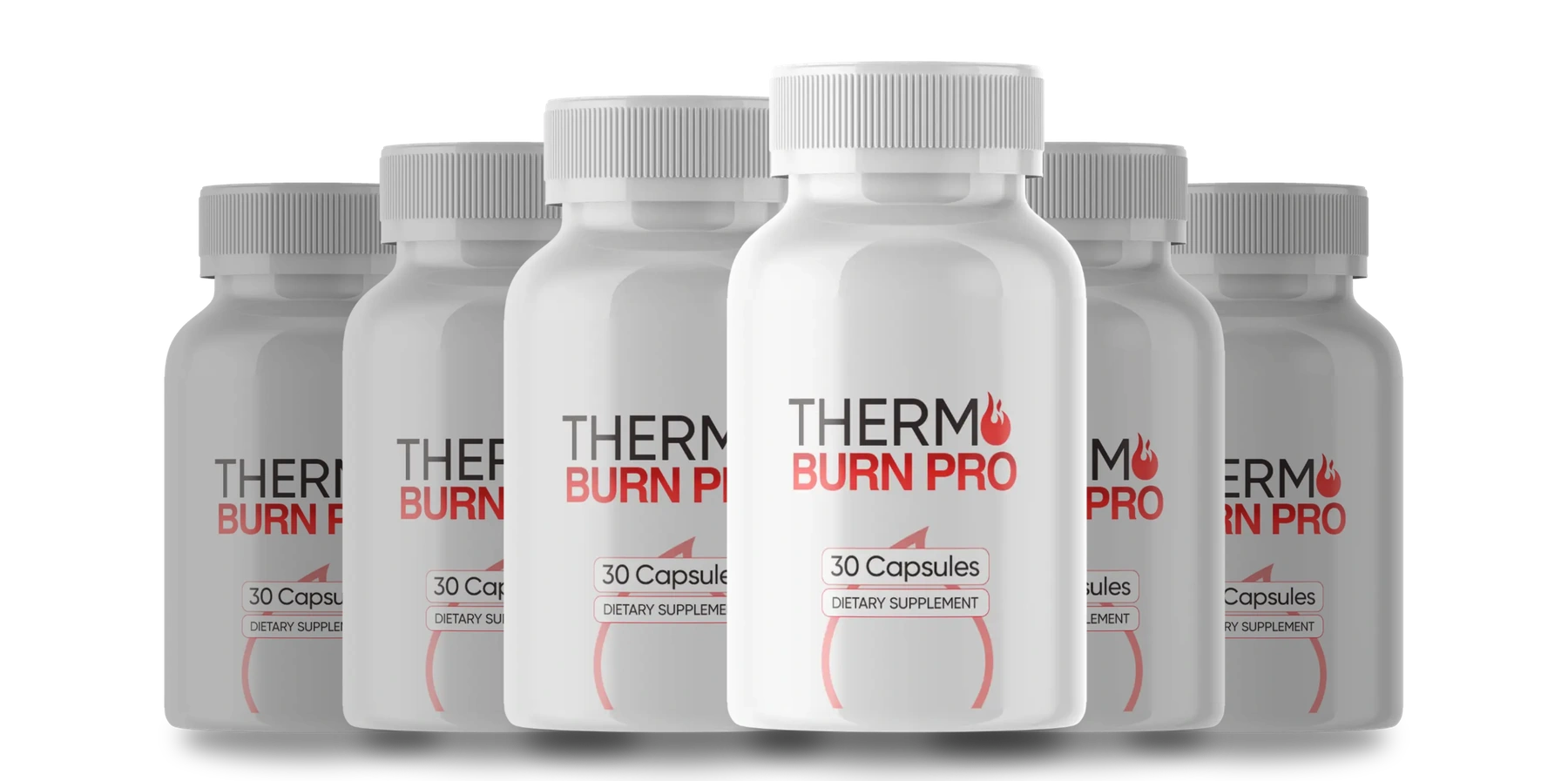
Whichever category a product claims, none of them — fat burner, appetite suppressant or metabolism booster — replaces the fundamentals. Every one of these supplement types is a supporting tool that only matters on top of consistent habits: sensible eating, regular movement, decent sleep and hydration. No capsule, in any category, does the work for you. That's not a knock on supplements; it's just the honest frame that keeps your expectations realistic and your money well spent. The habits that do the heavy lifting are laid out in our guide to boosting your metabolism naturally. That is also the conclusion of the broad reviews: across categories, supplements sold for weight loss show small and inconsistent effects, with the diet-and-activity foundation doing the real work (Batsis et al., Obesity, 2021). If you are still weighing whether any of the three earns a place beside your training, read do you need a fat burner if you diet and exercise.
See the Stimulant-Free Formula
They describe different marketing angles on weight-management supplements. A “fat burner” is usually marketed around thermogenic or energising ingredients, often caffeine-based. An “appetite suppressant” is marketed around helping you feel satisfied or curbing cravings, often using fibre or botanicals like gymnema. A “metabolism booster” is marketed around supporting the body's normal metabolic processes with minerals, vitamins and botanicals. The categories overlap heavily and the labels matter less than the actual ingredients and doses.
No single category is “better” — none replaces diet, activity and sleep, and the right choice depends on your goals and how you respond to stimulants. Someone who wants steady, daily, caffeine-free support may prefer a metabolism-booster style formula; someone focused on cravings might look at appetite-support ingredients. Read the label rather than the category name.
Not necessarily. Many products marketed as fat burners are caffeine-based and therefore stimulant-driven, but stimulant-free fat burners also exist. The word “fat burner” is a marketing label, not a guarantee of what's inside, so always check whether a product contains caffeine or other stimulants.
Thermo Burn Pro is best described as a stimulant-free metabolism-support supplement. It combines chromium and other minerals and vitamins with traditional botanicals, and it includes an appetite-related botanical (gymnema) and a warming spice (cayenne), so it touches several categories — but it is caffeine-free and built around everyday metabolic support rather than a stimulant hit.
Some formulas combine ingredients associated with more than one category — for example minerals for metabolic support alongside a botanical linked to appetite balance. That can be convenient, but it doesn't make any product a magic solution. What matters is the quality, transparency and dosing of the ingredients, not how many buzzwords the label uses.
In the fat burner vs appetite suppressant vs metabolism booster debate, the smartest move is to stop treating the category names as the answer. They're marketing angles that overlap constantly, and the only thing that reliably tells you what a product will do is its ingredient list and doses. Decide what you actually want to support — steady daily metabolism, appetite and cravings, or an energising lift — then read the label to match it, keeping the fundamentals firmly in place. If a transparent, stimulant-free formula that spans the categories appeals, you can see one example on the official Thermo Burn Pro site.
This category comparison was written and reviewed by the Thermo Burn Pro Research Team, an independent group researching weight-management products and dietary supplements. We describe ingredients in general and traditional-use terms, drawing on public reference sources, and write for education rather than as medical advice. We are not a medical provider; consult your own clinician about your individual needs.
† These statements have not been evaluated by the Food and Drug Administration. This product is not intended to diagnose, treat, cure or prevent any disease. This article is for general information only and is not medical advice; consult a qualified professional before making changes to your diet, activity or supplement routine.